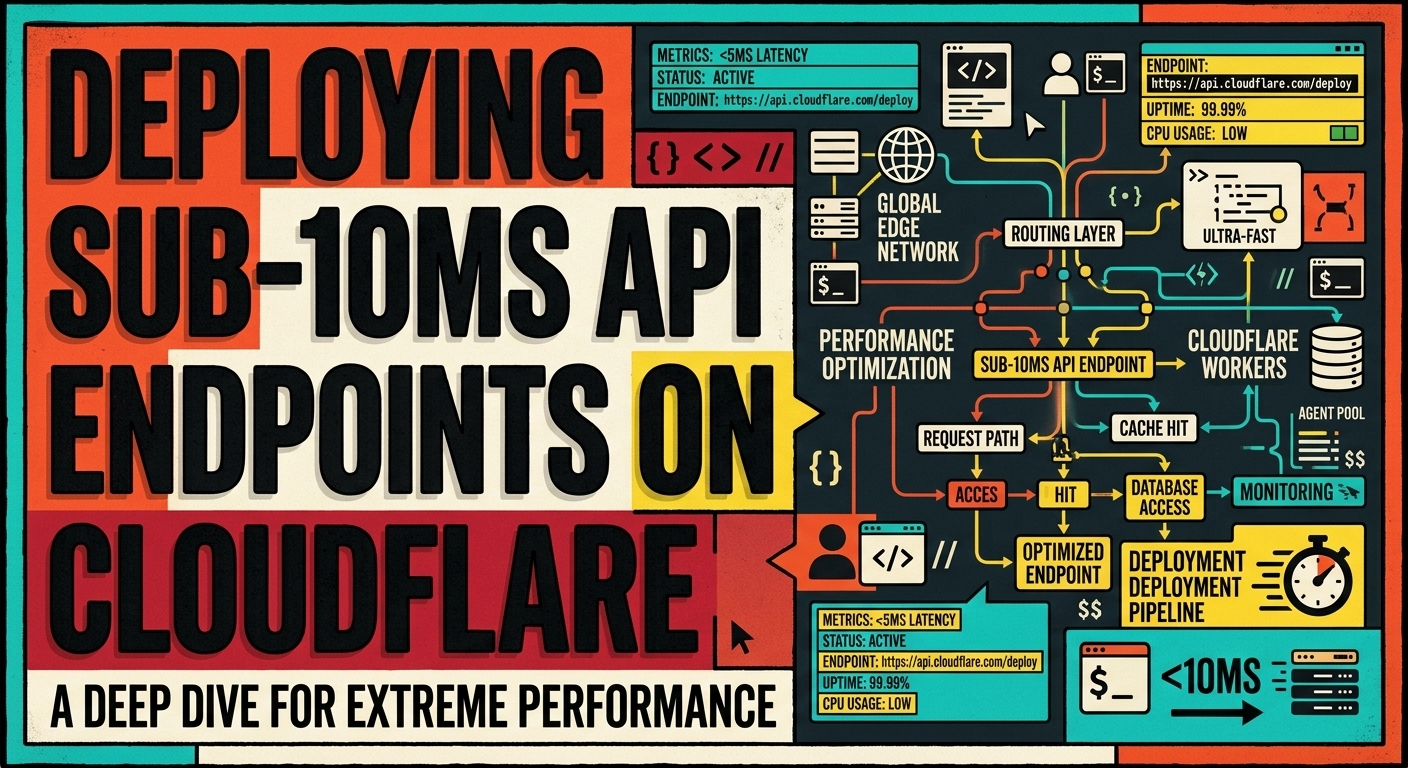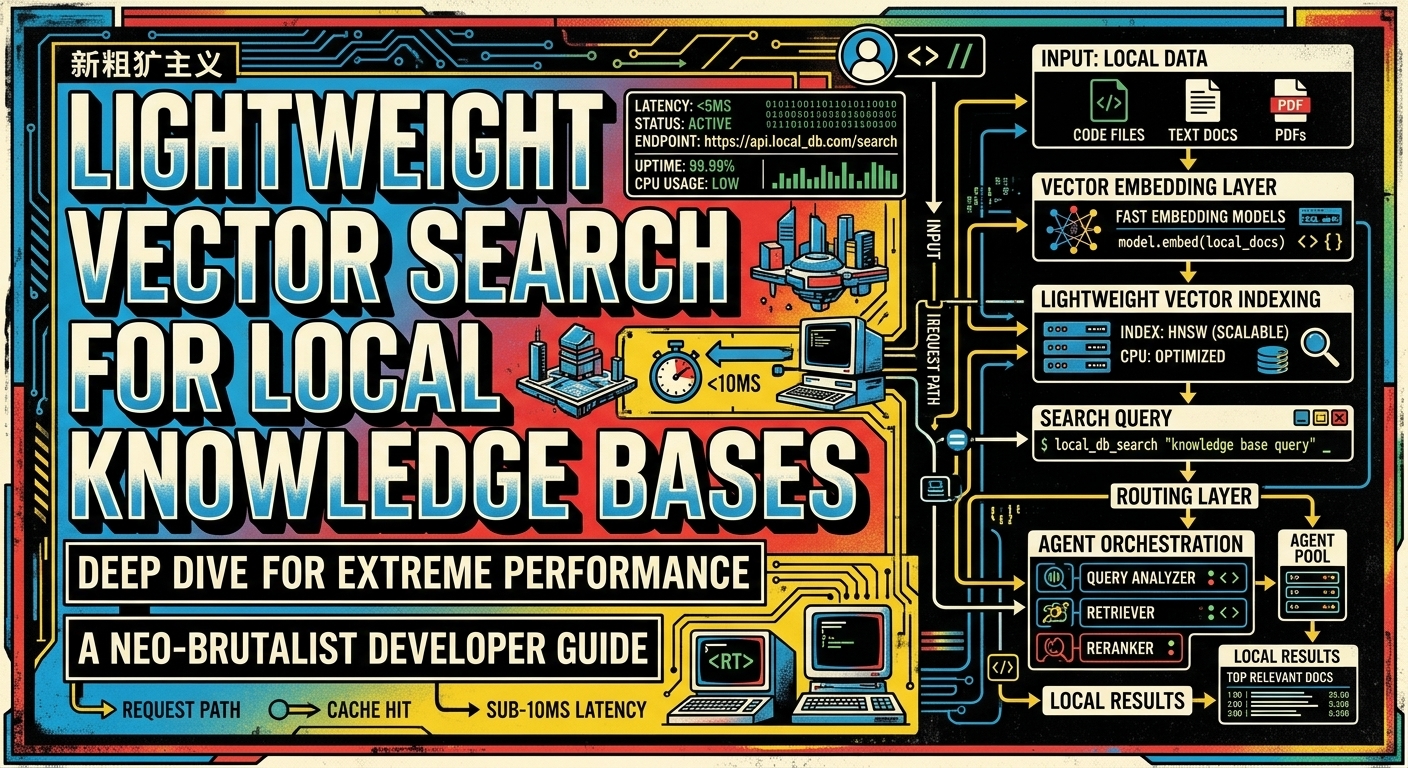
The next AI bottleneck isn't the raw power of foundational models. It's the routing and data orchestrations through which multi-agent networks must interact. As systems grow more complex, running every incoming request through monolithic baseline models leads to prohibitive latencies and unnecessary compute costs.
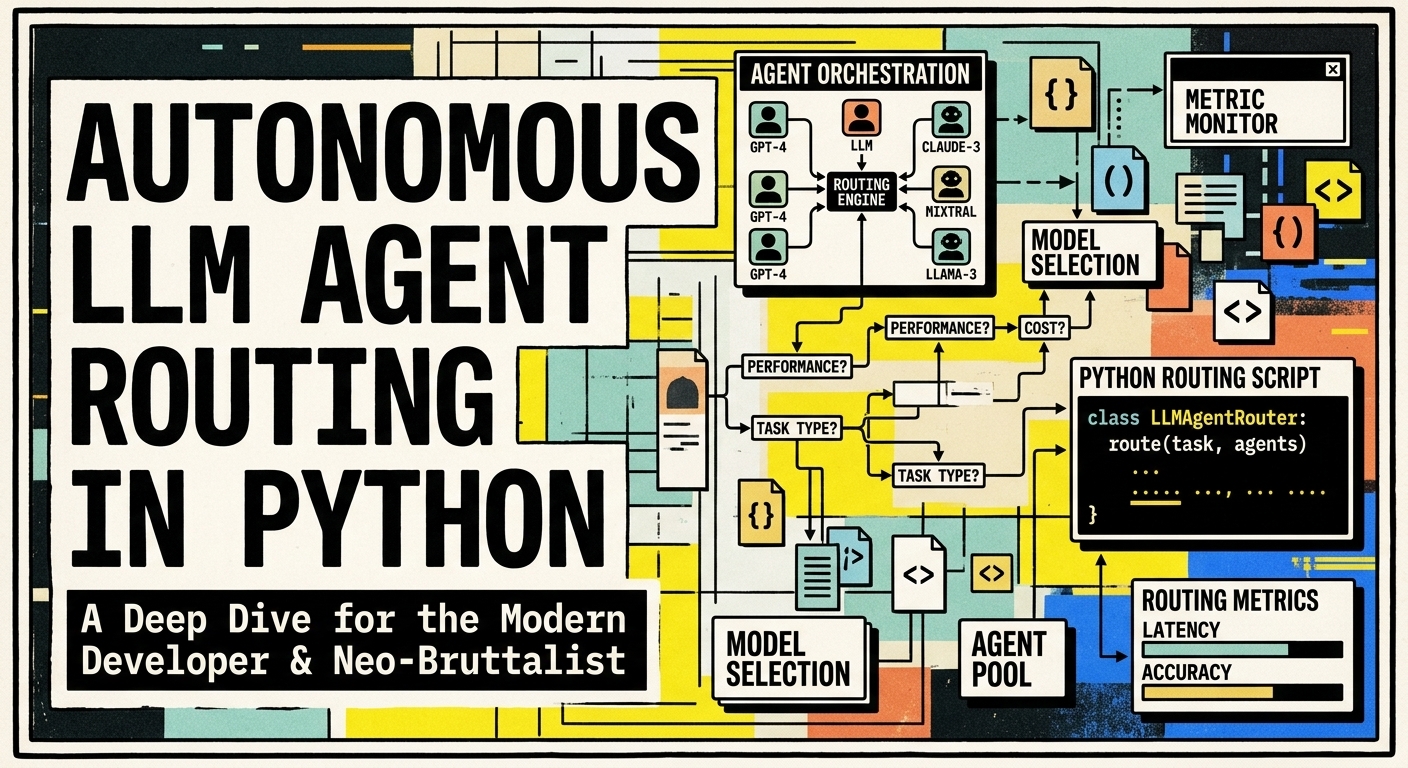
This is the core motivation behind Autonomous LLM Agent Routing in modern Python pipelines. By constructing dynamic Directed Acyclic Graphs (DAGs), systems can intelligently delegate micro-tasks to specialized domain-specific models, parallelizing complex analytical tasks while keeping latency sub-second.
Building Parallel Agent Workflows
In standard linear execution pipelines, prompt evaluations happen sequentially. If an agent requires schema validation, retrieval-augmented generation (RAG), and policy checks, each step waits for the previous payload to resolve.
By leveraging Python's asyncio and graph-based execution engines, we can route inputs across multiple specialized agent nodes concurrently. Router nodes classify intent in real-time, fanning out task fragments to micro-models tuned specifically for extraction, logic validation, or natural language generation.
The result is a dynamic self-healing infrastructure where failed or delayed nodes automatically fallback to lighter weight endpoints without blocking the global application response.